
Sustainable Food Solutions for a Better Tomorrow
- Cody Abshire
- Dec 29, 2025
- 4 min read

Updated: Jan 8
Every day, I witness the power of community-driven efforts to transform food systems. The journey toward a future where everyone has access to nutritious, affordable food is both inspiring and necessary. Sustainable food solutions are at the heart of this transformation. They offer practical ways to reduce waste, support local economies, and protect our environment. Together, we can build a better tomorrow by embracing these solutions and nurturing the roots of change.
Understanding Sustainable Food Solutions
Sustainable food solutions focus on producing, distributing, and consuming food in ways that are environmentally friendly, socially equitable, and economically viable. These solutions aim to minimize harm to the planet while ensuring that communities have reliable access to healthy food.
One example is the use of greenhouse-powered community gardens. These gardens extend growing seasons, reduce water use, and increase crop yields without relying heavily on chemical inputs. By harnessing renewable energy and innovative growing techniques, they create a resilient food source that benefits everyone involved.
Another key aspect is supporting local farmers and food producers. Buying locally reduces transportation emissions and strengthens the local economy. It also fosters a closer connection between consumers and the origins of their food, encouraging more mindful eating habits.
By adopting sustainable food solutions, we can address food insecurity in a way that respects the environment and empowers communities to thrive.

How Sustainable Food Solutions Empower Communities
Sustainable food solutions do more than just provide food; they build community resilience. When people come together to grow, share, and learn about food, they create networks of support that extend beyond the garden.
For example, community workshops on gardening, nutrition, and cooking can equip individuals with the skills they need to take control of their food choices. These educational programs often include hands-on activities that make learning fun and accessible for all ages.
Moreover, sustainable food solutions encourage collaboration between volunteers, local organizations, and residents. This collaboration fosters a sense of ownership and pride, which is essential for long-term success. When communities are involved in every step of the process, from planting seeds to distributing harvests, they become active participants in their own food security.
By investing in these solutions, we are not just feeding people; we are nurturing hope and independence.
The Role of Technology in Sustainable Food Solutions
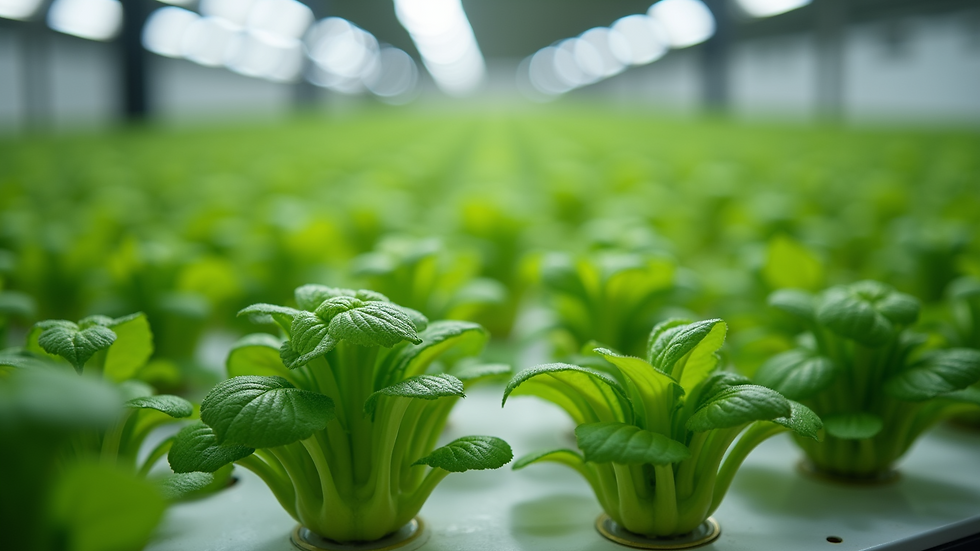
Technology plays a vital role in advancing sustainable food solutions. Innovations such as hydroponics, aquaponics, and solar-powered greenhouses allow us to grow more food with fewer resources.
Hydroponics, for instance, uses nutrient-rich water instead of soil, which can reduce water consumption by up to 90%. Aquaponics combines fish farming with plant cultivation, creating a symbiotic system that maximizes efficiency and minimizes waste.
Solar-powered greenhouses harness renewable energy to maintain optimal growing conditions year-round. This technology is especially valuable in regions with harsh climates or limited arable land.
By integrating these technologies, we can create food systems that are both productive and sustainable, ensuring that communities have access to fresh, healthy food no matter the season.
Practical Steps to Support Sustainable Food Solutions
If you want to contribute to a more sustainable food future, there are several practical steps you can take:
Get involved in local community gardens or urban farms. Volunteering your time helps increase food production and strengthens community bonds.
Support farmers' markets and local food co-ops. Purchasing locally grown food reduces your carbon footprint and supports small-scale producers.
Reduce food waste at home. Plan meals, store food properly, and compost scraps to minimize waste.
Advocate for policies that promote sustainable agriculture. Engage with local leaders to encourage investment in green infrastructure and food education.
Educate yourself and others. Share knowledge about sustainable food practices through workshops, social media, or community events.
By taking these actions, you become part of a larger movement working toward food justice and environmental stewardship.
Growing a Future with Sustainable Food Solutions
The path to ending food insecurity is complex, but sustainable food solutions offer a hopeful way forward. By expanding greenhouse-powered community gardens, educating more people, and empowering communities, we can create lasting change.
I encourage you to explore how you can support or initiate sustainable food programs in your area. Together, we can cultivate a future where everyone has access to nourishing food, and our planet thrives alongside us.
Let’s embrace these solutions with open hearts and hands, knowing that every seed planted today is a step toward a better tomorrow.
If you want to learn more about sustainable food programs and how you can get involved, visit the O.A. Non-Profit Organization’s website. Your participation can make a real difference in building thriving, self-sufficient communities.
The Importance of Community Engagement
Community engagement is crucial in the fight against food insecurity. When individuals come together, they can share resources, knowledge, and support. This collective effort can lead to innovative solutions that address local food needs effectively.
Building Stronger Networks
Creating strong networks within the community can amplify the impact of sustainable food solutions. By connecting with local organizations, schools, and businesses, we can pool resources and expertise. This collaboration can lead to more comprehensive programs that address food insecurity from multiple angles.
Sharing Success Stories
Sharing success stories can inspire others to get involved. When we highlight the positive outcomes of community-driven food initiatives, we encourage more people to participate. These stories can serve as powerful motivators for change, showing that together, we can make a difference.
The Future of Sustainable Food Systems
Looking ahead, the future of sustainable food systems is bright. With continued innovation and community involvement, we can create a food landscape that is equitable and sustainable.
Embracing Change
As we move forward, it's essential to embrace change. This means being open to new ideas, technologies, and practices that can enhance our food systems. By staying adaptable, we can respond to the evolving needs of our communities and the environment.
A Call to Action
I invite you to join me in this journey. Whether you choose to volunteer, advocate, or educate, every action counts. Together, we can build a future where food insecurity is a thing of the past, and everyone has access to the nourishment they need to thrive.
Let’s work hand in hand to cultivate a sustainable food future, one garden at a time.


Comments